
观察|何为「在地」What Does "In-situ" Mean?

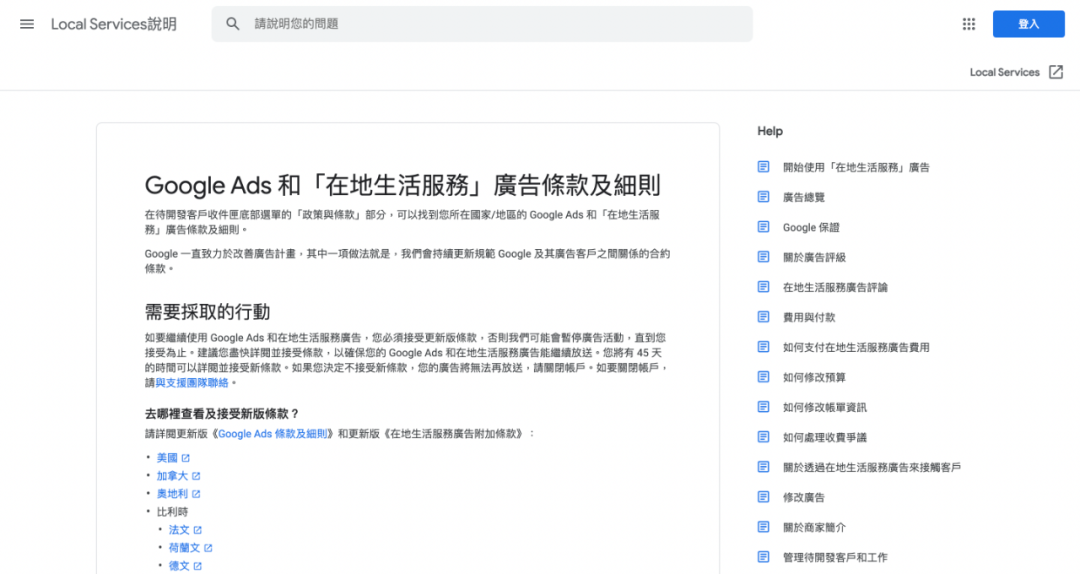
在当代艺术与建筑学领域,「在地」一词的使用非常广泛,它常与「在地主义」、「在地生活」、「在地建筑」及「建筑的在地性」等相关概念一起出现。
对于不熟悉这些领域的人来说,「在地」这个词可能显得有些困惑。它和「本土」或「当地」的意思似乎相近,那么为何不用“本土建筑”或“当地建筑”呢?
现在我们也很难再回到词语形成的现场,有时候就是因为使用的人或者场合多了,词语「就这样」形成了。因此,本篇文章并不打算探讨「在地」一词的起源,而是通过观察词语的现代应用,来分析其所承载的深层意义。
不妨先观察和记录词语的使用环境,本来也是在阅读的过程中关注到「在地」这一词的,或许可以从使用场合中发现些什么呢?
01. 语境变化:「中文繁体」和「中文简体」
这大概是搜索过程中最有趣的发现,也能较为直观地反映出「在地」一词最常使用的环境。分别勾选语言为「English」、「中文(繁体)」、「中文(简体)」时呈现的画面👇:
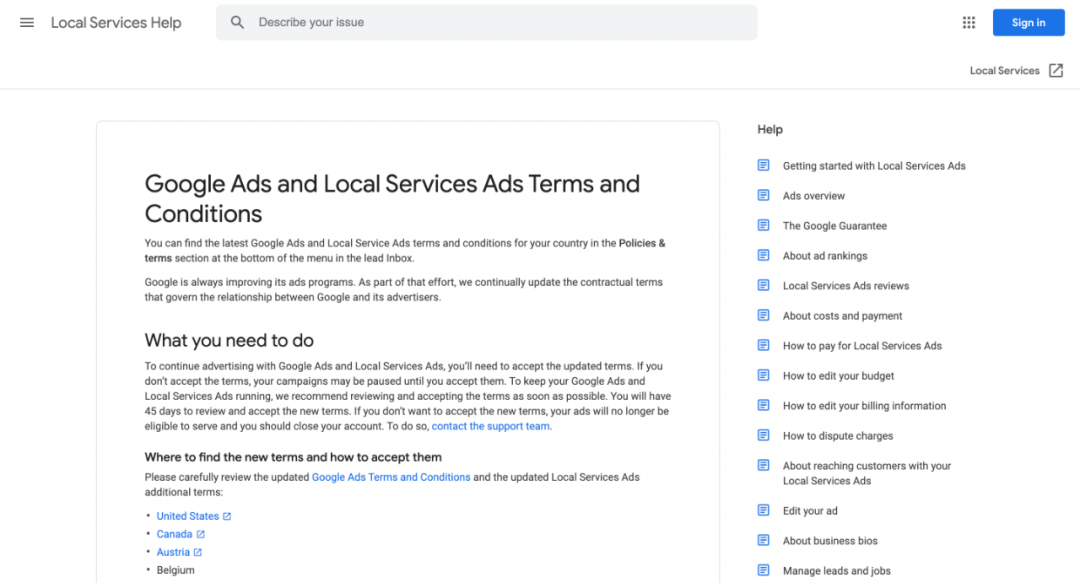
Local Services Help(English)©️Google
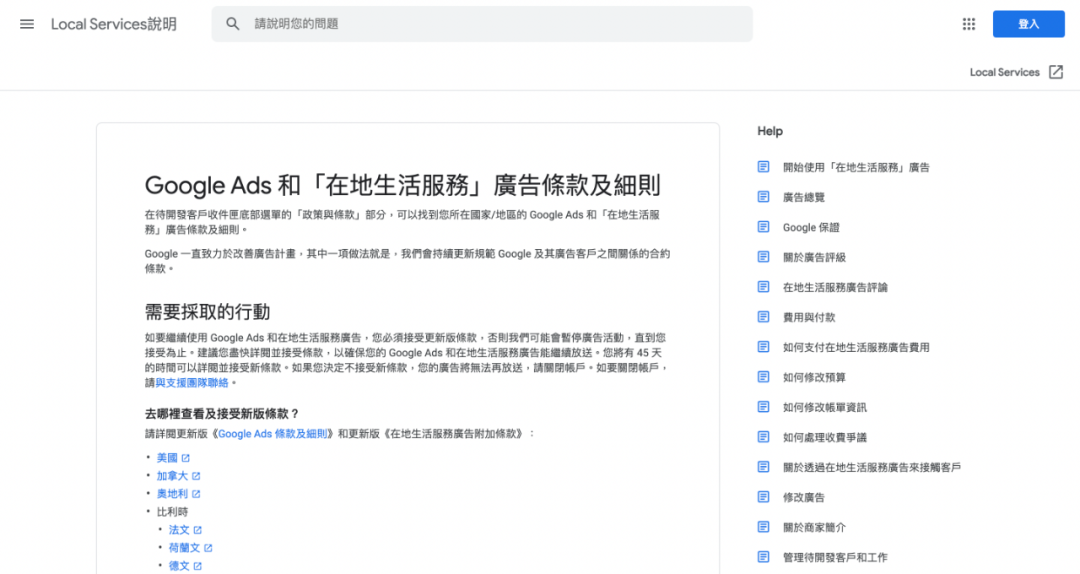
Local Services 说明(中文繁体)©️Google
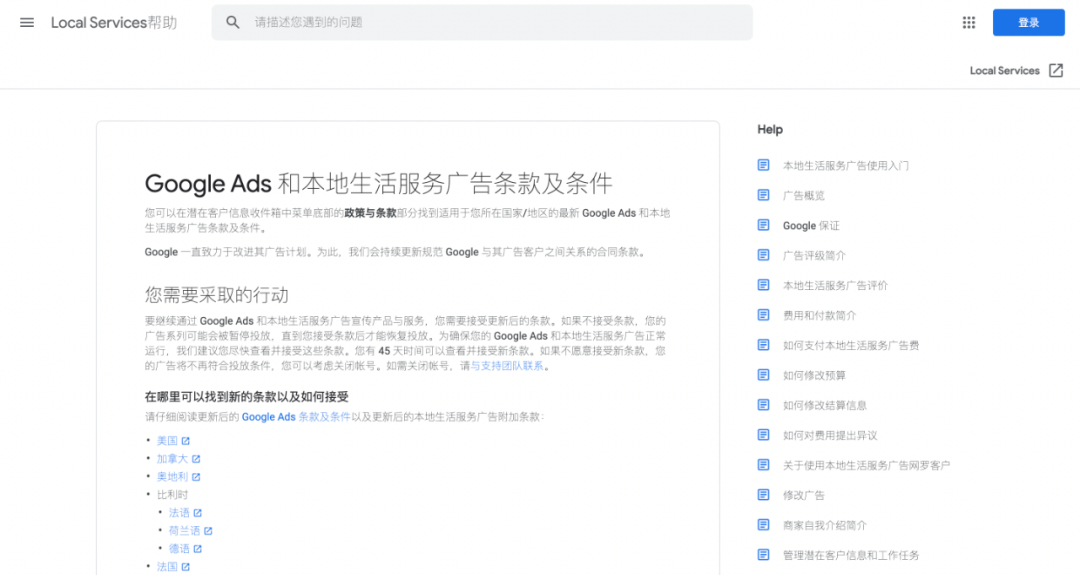
Local Services 帮助(中文简体)©️Google
原英文版本为「Local Services」,但是在繁体中文语境中,是表达成「在地生活」,简体中文语境下则为「本地生活」。Google 还提供了「中文(香港)」这一语言选项,勾选之后看到的画面还是显示为「本地」。
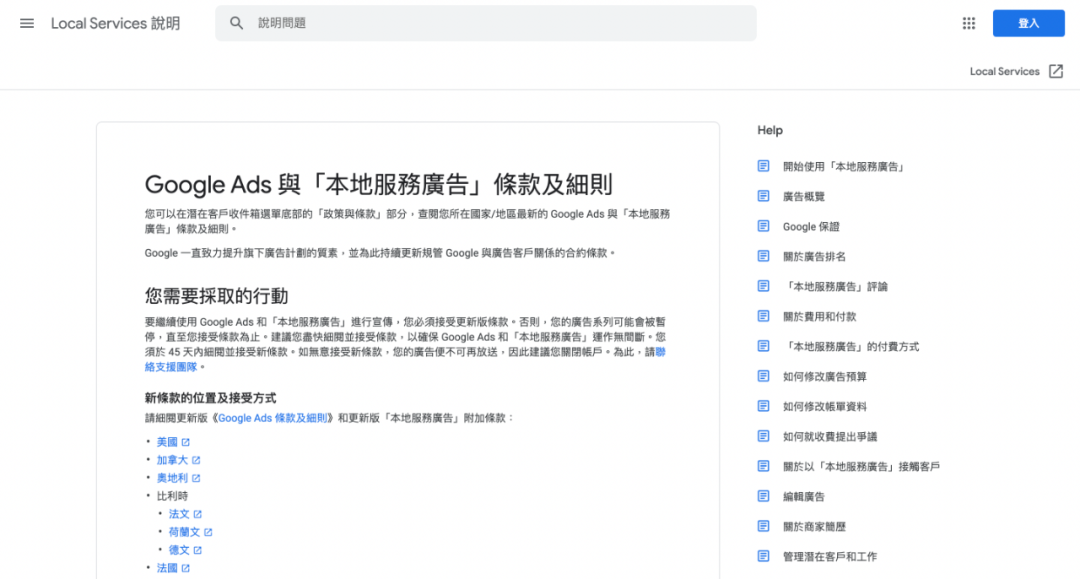
Local Services 说明(中文香港)©️Google
Google 在进行网站服务推广时,定会考虑到不同环境的语言表达。从服务条款呈现页面的不同,或许可以印证此前的观察:台湾地区是最常使用「在地」这词的。随之会有猜想,也许是因为两岸之间的交流,「在地」一词才在内地得到频繁的使用。
02. 语言翻译:它们都是「在地性」
直接在网络搜索查看相关的文章,可以看到关于「在地性」这一词的英文表达各有不同。有的写作「Locality」:“关于「在地性」(locality)的课题极为要紧,「在地性」到底具有哪些特质......”(the issue of locality has become urgent. What characterizes ‘locality’ ?... )[1]
有的则写作「Site-Specific」:“1974 年,‘在地性’被纳入美国国家艺术基金会(NEA)的指导方针中,以促进公共艺术的发展。”(In 1974, 'site-specific' was incorporated into the guidelines of the National Environment Agency for the arts to promote the development of public art. )[2]
还有的写成「In-situ」:“‘在地’实际上来自对英文 In-situ 的翻译。In-situ 原义是指现场制造(例如 In-situ concrete 现浇混凝土)......”[3]
拥有不一样的英文表达,意味着使用的场合有所不同。当对应的翻译为「Locality」,「在地性」表达的是一种区域文化,更强调地理空间的区隔而非大小。比如一个国家可以表达自己的在地性,国家内部的各行政区也可以表述在地性,行政区里的街道、社区同样也能说在地性。
因此,日常生活里「我是中国人」、「我是浙江人」或者「我是杭州人」之类的表达,实际上就是「在地性」的体现,阐述的是人们对自身所处区域的文化认同和归属感。
再看另外一种翻译:「Site-Specific」。这个词最常被看到是在艺术领域相关的文章里,而且往往是以「Site-Specific Art」这样的词语组合搭配出现,「Site-Specific Art」可译作「在地艺术」、「场域特定艺术」或者「场地创作」等。
所以相较于区域文化里提及的「在地性」,艺术领域里则被表达成作品与周边环境之间的关系。它说明的是艺术家对特定场所的介入,并将创作与地理环境、人文要素相结合,重建接受者与场所的联系和体验。
某种程度上,「In-situ」和「Site-Specific」都可以用来表达作品与环境的关系,只是「In-situ」更多用在建筑领域,确切表达的是建筑与其所在区域的地形、气候、生态和人文环境等要素之间的关系。
如果从前面的「语境变化」角度,「在地」等同于「本地」;现在从「语言翻译」的角度,「在地」又因所处领域的不同而存在词语含义上的区别,这时候是没法再替换成「本地」或者「本土」之类的词语。
03. 语言表达:日常用语和专业术语
当前有种说法是「在地」一词可能是从闽南语演变而来的,在 Google 网上论坛「chinese-l10n」群组会话和 ProZ 翻译社区均能看到相关的讨论,以下为部分内容摘抄👇:
“在地化:我必须承认它听起蛮亲切的....闽南语(台语)的「在地人」---> 「在地化」....”[4]
“‘在地化’一说大概也来自台湾吧?我听起来很不习惯。中国大陆的说法以‘本地化’ 居多。也有将 localization 译为‘本土化’的,但我认为还是‘本地化’较佳。”[5]
“台湾确实有‘在地’一词,基本上跟‘当地’是一样的,但可能是从台语演变而来中文用词。”[6]
随手打开台湾地区出版的书籍,也能看到「在地」一词使用得非常频繁且日常,以下书籍封面中出现的「在地」就可以理解为当地、本地的意思。
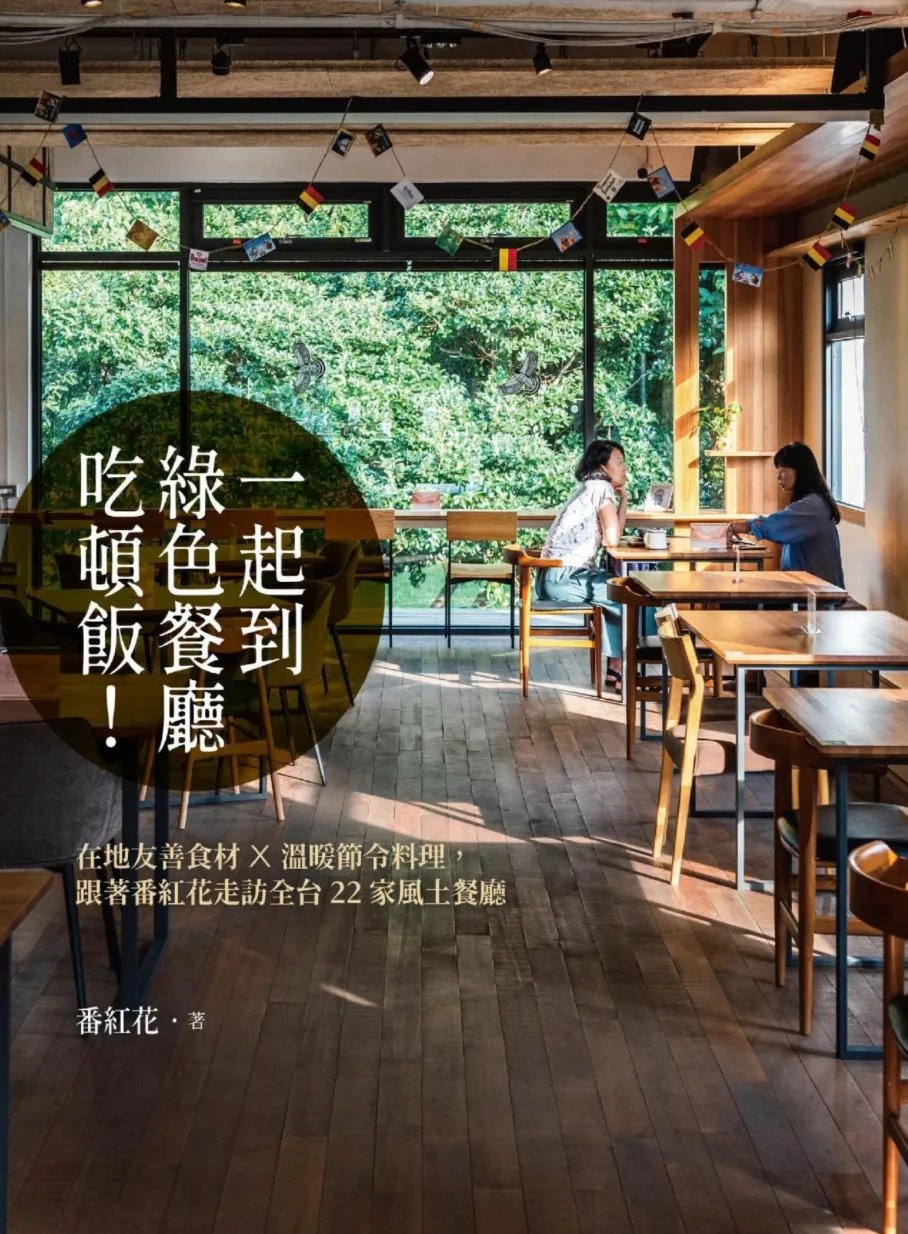
《一起到绿色餐厅吃顿饭!—在地友善食材×温暖节令料理,跟着番红花走访全台22家风土餐厅》©️麦田. 2021
在台湾地区,「在地」一词的使用很日常,在地居民、在地环境、在地食材......而在内地的使用环境中,这一词的学术性会更强,常见的词语就有在地艺术、在地建筑和在地性等。
随之的推测是,在不同领域的语言翻译中,人们对于具体词汇的中文翻译把握各不相同,有译者将「Localization」翻译成「本土化」,也会有译者翻译成「在地化」。
或许在早些时候,「在地」这词在简体中文语境下的含义和「当地」基本是一样的。有所变动的是,使用人数增加,但语言的使用习惯一时难以改变,因此「在地」一词未能走进大众的视野,而是变成当代艺术或者建筑领域里的专有名词。
或许,这种词语的演变正是由于两岸文化交流的加深以及翻译学的影响所促成的。尽管「在地」一词看似简单,但要追溯其来源却并非易事,充满了文化碰撞与语言转化的复杂性。
----
In the fields of contemporary art and architecture, the term "In-situ" is widely used and often appears alongside concepts such as "In-situism," "In-situ life," "In-situ architecture," and "the locality of architecture."
For those unfamiliar with these fields, the term "In-situ" may seem somewhat confusing. It appears to be similar to "native" or "local," so why not use terms like "native architecture" or "local architecture"?
At this point, it's difficult to trace the exact moment when the term was coined. Often, it’s precisely because a term has been widely used in various contexts that it "becomes" what it is. Therefore, this article does not intend to explore the origins of "In-situ," but instead focuses on its modern-day applications and the deeper meanings it conveys.
Let us start by observing and recording the contexts in which this term is used, as it was during my own reading that I first became aware of "In-situ." Perhaps we can uncover something interesting from the contexts in which it is used.
01. Context Changes: "Traditional Chinese" and "Simplified Chinese"
This was one of the most intriguing discoveries during my research, and it provides a clear indication of the environments where "In-situ" is most commonly used. The following are images displayed when selecting "English," "Traditional Chinese," and "Simplified Chinese" on Google:
Local Services Help(English)©️Google
Local Services Help(中文繁体)©️Google
Local Services Help(中文简体)©️Google
The original English version is "Local Services," but in the context of Traditional Chinese, it is expressed as "In-situ Life," whereas in Simplified Chinese, it is "Local Life." Google also provides a "Chinese (Hong Kong)" language option, which still shows "Local" when selected.
Local Services Help(中文香港)©️Google
Google considers different linguistic expressions when promoting its services. This distinction in how service terms are presented further validates my earlier observation that "In-situ" is most commonly used in Taiwan. One might speculate that the term became more frequently used in mainland China due to increased cross-strait exchanges.
02. Linguistic Translation: They All Mean "Locality"
A simple search reveals various English translations for the term "locality," each used in different contexts. Some use "Locality":
"The issue of locality has become urgent. What characterizes ‘locality’?" [1]
Others prefer "Site-Specific": "In 1974, 'site-specific' was incorporated into the guidelines of the National Endowment for the Arts (NEA) to promote the development of public art." [2]
Yet another translation is "In-situ": "'In-situ' actually comes from the English term 'In-situ,' which originally referred to on-site manufacturing (e.g., In-situ concrete)." [3]
The differences in these English translations indicate that the term is used in different contexts. When translated as "Locality," "In-situ" refers to regional culture and emphasizes geographical distinctions rather than size. For example, a country can express its locality, as can the administrative regions within the country, and even streets or communities within those regions.
Thus, expressions like "I am Chinese," "I am from Zhejiang," or "I am from Hangzhou" are expressions of "locality"—demonstrating cultural identity and a sense of belonging to a specific region.
Looking at another translation, "Site-Specific," we see it often used in articles about art, especially in the combination "Site-Specific Art," which can be translated as "In-situ Art," "Context-Specific Art," or "Site-Specific Creation."
Compared to the regional cultural use of "locality," in the art world, it describes the relationship between the artwork and its surrounding environment. It reflects the artist’s engagement with a particular site and the fusion of creation with the geographical and cultural elements of the place, thus rebuilding the connection between the audience and the space.
To some extent, both "In-situ" and "Site-Specific" can express the relationship between a work and its environment. However, "In-situ" is more commonly used in architecture, where it specifically refers to the relationship between a building and its surrounding geography, climate, ecology, and cultural environment.
From the perspective of "contextual changes," "In-situ" can be equated with "local." But from a linguistic translation point of view, the term "In-situ" takes on different meanings depending on its field. It can no longer be easily replaced with terms like "local" or "native."
03. Everyday Language vs. Professional Terms
It is suggested that the term "In-situ" may have evolved from Min Nan (Taiwanese) dialect. This can be seen in discussions in online forums like Google’s "chinese-l10n" and the ProZ translation community:
"In-situization: I have to admit it sounds pretty familiar... The Taiwanese term 'In-situ people' evolved into 'In-situization'..." [4]
"'In-situization' probably originated in Taiwan? It sounds unusual to me. In mainland China, the more common term is 'Localization.' Some translators also use 'native localization,' but I think 'localization' is more appropriate." [5]
"Indeed, Taiwan frequently uses the term 'In-situ,' essentially meaning 'local,' but it might have evolved from Taiwanese dialect." [6]
If you casually browse books published in Taiwan, you will find that the term "In-situ" is frequently used in everyday contexts. For example, the following book titles showcase the term "In-situ" as meaning local or regional:
Let’s Have a Meal at a Green Restaurant! — Local-friendly Ingredients x Warm Seasonal Cuisine, Visiting 22 Local Restaurants Across Taiwan ©️Mai Tian, 2021
In Taiwan, "In-situ" is used very commonly in everyday language, such as "local residents," "local environment," "local ingredients," etc. In mainland China, however, the term carries more academic weight, and terms like "In-situ Art," "In-situ Architecture," and "In-situity" are often used.
This suggests that, in different fields, translators have different interpretations of the term. Some translate "Localization" as "native localization," while others use "In-situ localization."
Perhaps in the past, the term "In-situ" in Simplified Chinese had the same meaning as "local." However, with its increasing use, the term's habitual usage hasn't changed, which is why it has not entered the general public's awareness but has instead become a specialized term in contemporary art and architecture.
This evolution of the term may have been facilitated by the deepening cultural exchanges across the Taiwan Strait and the influence of translation studies. Despite its apparent simplicity, tracing the origins of the term "In-situ" is not easy, as it is filled with complex cultural collisions and linguistic transformations.
参考资料 References::
[1]杨弘任. 何谓在地性?从地方知识与在地范畴出发[J]. 思与言, 2011,(4):5-29.
Yang Hongren. What Is "Locality"? From Local Knowledge and the Concept of Locality. Thinking and Language, 2011, (4):5-29.
[2]马东阳. 在地性公共艺术的三种形式[D]. 浙江:中国美术学院,2019.
Ma Dongyang. Three Forms of Locality in Public Art. D.A. Thesis, China Academy of Art, 2019.
[3]华黎. 起点与重力——在地建筑. 2013
Hua Li. Starting Points and Gravity—In-situ Architecture, 2013.
[4]《“localization”的翻译为「本地化」或「在地化」,哪个较合适?》
[5]、[6]《如何对应繁体字版本?》