
Real-Time Traffic Monitoring System
1. INTRODUCTION
The Real-Time Traffic Monitoring System is a technology used to track and manage vehicle flow on urban roads and highways. It enables the instant collection, processing, and analysis of data, helping to optimize traffic, reduce congestion, and enhance road safety.
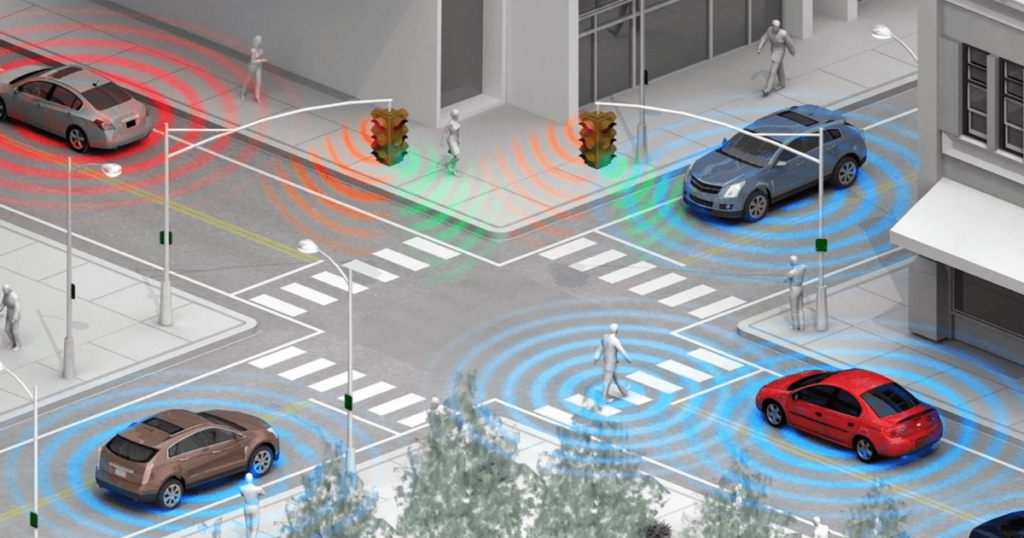
This system operates through sensors, cameras, radars, and other devices installed at strategic points. The collected data—such as vehicle speed, traffic volume, and incidents—is sent to control centers, where it is analyzed and used to adjust traffic lights, suggest alternate routes, and inform drivers and authorities about road conditions.
Integrating this system with artificial intelligence and communication networks enables more accurate predictions and faster decision-making. Additionally, its application is not limited to urban traffic management; it is also used on highways, airports, and even for monitoring public and private transport fleets.
As cities evolve and vehicle fleets grow, real-time monitoring systems become increasingly essential for more efficient and sustainable mobility.
2. ESSENTIAL TECHNOLOGIES
Real-time traffic monitoring plays a strategic role in efficient city management, providing immediate collection and analysis of vehicle flow data. This practice offers numerous benefits, such as reducing congestion, improving road safety, and increasing public transport efficiency.
Continuous data collection enables deeper studies, assessing traffic behavior trends and allowing for strategic planning for future demands.
Key technologies employed include:
2.1 Traffic Sensors
Specialized devices that detect vehicle speed and presence, highly useful for monitoring road flow and interventions.
2.2 Surveillance Cameras
Visual instruments that enable real-time traffic monitoring, aiding in identifying behaviors and traffic incidents.
2.3 GPS and Navigation Systems
Technologies that track vehicle movement in real time, providing detailed information and optimal route options.
2.4 Mobility Apps
Technological solutions that integrate data from multiple sources, assisting users in making route decisions based on current traffic conditions.
The use of these technologies creates a modern real-time traffic monitoring system, improving road management and helping make cities safer, more efficient, and sustainable.
3. HOW THE SYSTEM OPERATES
A real-time traffic monitoring system uses a combination of technologies—such as sensors, cameras, GPS, and mobile device data—to collect and analyze real-time vehicle flow information. These systems capture data on speed, traffic volume, road conditions, and events like accidents, traffic jams, and construction work.
The data is processed by advanced algorithms that detect patterns and anomalies, enabling constant updates on traffic conditions. This information is transmitted to control centers, which monitor traffic, and can be shared with drivers via digital displays or navigation apps, helping them make decisions about faster or alternative routes.
The primary goal is to optimize traffic flow, reduce travel time, improve road safety, and provide useful data for urban planning and road maintenance.
4. BENEFITS OF THE SYSTEM
Real-time traffic monitoring is an essential tool for optimizing vehicle flow, reducing congestion, and improving road safety. According to Silva and Souza (2020), real-time analysis allows for quick incident response, minimizing negative impacts on urban traffic.
Additionally, the technology used in this monitoring enables efficient urban mobility management. Santos et al. (2021) state that Intelligent Transportation Systems (ITS) employ sensors and predictive algorithms to adjust traffic signals and suggest alternate routes, improving traffic flow. This approach reduces travel time and contributes to lower pollutant emissions (Oliveira & Menezes, 2019).
Another significant benefit is supporting decision-making for traffic authorities. Almeida (2022) highlights that real-time data helps define more effective public policies based on traffic patterns and critical point identification. Thus, traffic monitoring not only enhances drivers' experience but also contributes to safer and more sustainable urban traffic.
5. IMPACTS ON PLANNING
Real-time traffic monitoring systems transform urban planning by enabling faster, data-driven decisions. The ability to collect, process, and analyze information instantly improves transport efficiency, reduces congestion, and optimizes city infrastructure.
Key advantages include:
-Predictive Analysis – Using historical and real-time data allows predictive analysis to anticipate traffic patterns and prevent congestion before it occurs. Big Data and AI enable cities to predict peak hours, adjust traffic signals, and optimize vehicle flow, reducing environmental impacts by minimizing travel time and fuel consumption.
- Adaptive Management – Real-time monitoring enables dynamic traffic management, quickly adjusting routes, speed limits, and traffic lights based on urban conditions. This is especially useful for unexpected events like accidents or adverse weather.
- Continuous Optimization – Monitoring systems require ongoing improvements. Long-term data analysis helps identify trends and test new strategies for better urban mobility.
- Strategic Decisions – Traffic data allows urban planners to make evidence-based decisions, shaping mobility policies, new road planning, and infrastructure investments.
In summary, real-time traffic monitoring systems are essential for efficient urban planning, enabling precise forecasts, well-founded decisions, and adaptive management. Integrating technology and data analysis helps cities improve mobility, reduce environmental impacts, and promote smarter, sustainable transport.
6. TRENDS AND CHALLENGES IN REAL-TIME TRAFFIC MONITORING SYSTEMS
6.1 Autonomous Vehicles
Self-driving cars operate without human drivers, using advanced technology like high-precision sensors and AI algorithms to interpret their surroundings.
6.2 Smart Cities
Smart cities integrate technology to enhance urban living, with real-time traffic monitoring improving traffic management and safety.
6.3 Expansion of the Internet of Things (IoT)
IoT and AI enable real-time data collection and analysis, improving traffic monitoring, route optimization, and incident detection.
Challenges:
1. Data Privacy
- Cybersecurity risks require 24/7 monitoring to detect threats early, reduce response time, and comply with regulations.
2. Implementation Costs
- While real-time monitoring reduces operational costs (e.g., fuel savings, preventive maintenance), initial investments can be high.
3. System Integration
- Compatibility issues and lack of universal standards hinder seamless interaction between different systems and regions.
7. FINAL CONSIDERATIONS
Challenges such as data privacy, high implementation costs, and system integration remain obstacles to full adoption. Overcoming these barriers requires investments in cybersecurity, regulations, and universal standards. As solutions improve, real-time traffic monitoring will continue evolving, playing a vital role in building more connected, safe, and efficient cities.