
Sienpi National Features in “The Ballad of Mulan”
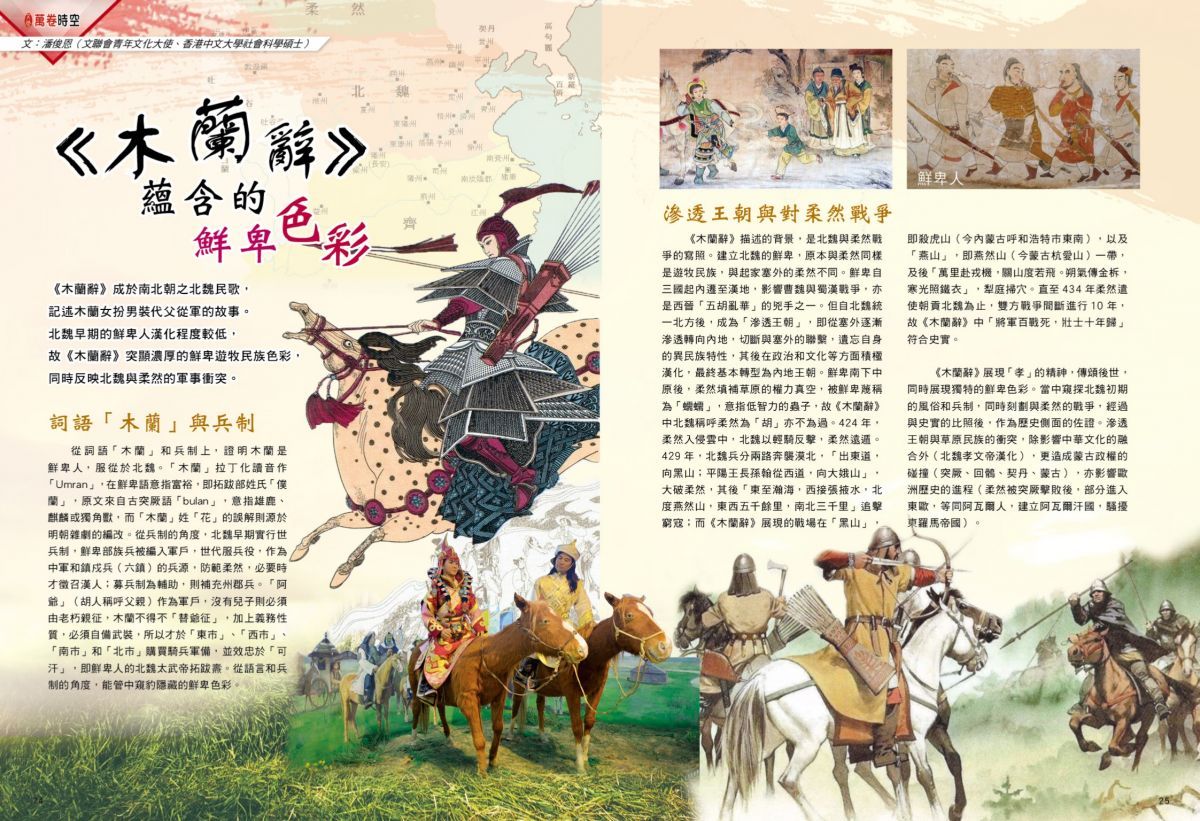
“The Ballad of Mulan”(《木蘭辭》)is a ballad written in the Northern Wei Dynasty(北魏), which storified Mulan disguising as a man and joining the army in place of her father. Due to the low Sinification of Sienpi(鮮卑)people in early times, the ballad highlighted the strong Sienpi nomadic features and revealed the military conflict between the dynasty and Rouran Khaganate(柔然汗國). At the same time, it reflected the spirit of filial piety in Chinese culture.
The Word “Mulan”
The word “Mulan” and the military system proved that Mulan is a Sienpi female and obeyed the dynasty. The Latinized pronunciation of “Mulan” is “Umran”, meaning wealthy in the Sienpi Language. It corresponds to the surname “Pulan”(僕蘭)in Tabgach(拓跋)clan, derived from the original text “Bulan” in Ancient Turkic Language, which means stag, Kylin, or unicorn. There was a common misconception that “Hua”(花)is Mulan’s the surname, but it was edited by poetic drama in the Ming Dynasty in fact.
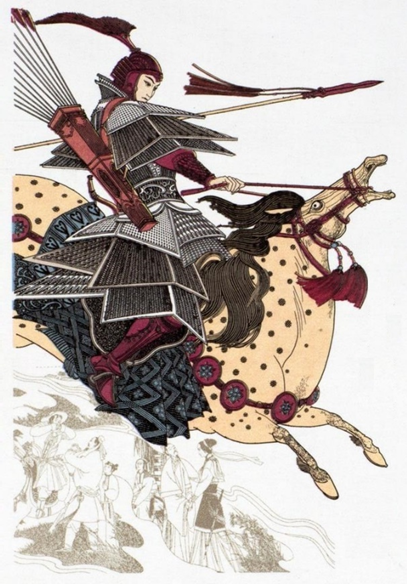
The Military System
From the perspective of the military system, the dynasty mainly implemented the Hereditary Conscription System(世兵制)at first, which incorporated Sienpi nomadic army into military households(軍戶)and undertook military services for generations. This system was the source of Middle Troop(中軍)and Six Frontier Towns Garrison(六鎮鎮戍兵)against Rouran. In the ballad, Mulan’s family was one of the military households, and her father was the only male of the family. Thus, Mulan decided to “take her father's place and go on campaign” and purchased cavalry armaments at markets because of the obligation under the system. More importantly, Mulan was loyal to “The Khan”(可汗), the Sienpi Emperor Taiwu of the Northern Wei Dynasty called Tabgach Tao(北魏太武帝拓拔燾). Therefore, the hidden Sienpi features could be discovered from the viewpoint of language and military system.
Dynasty of Infiltration and Confrontation with Rouran
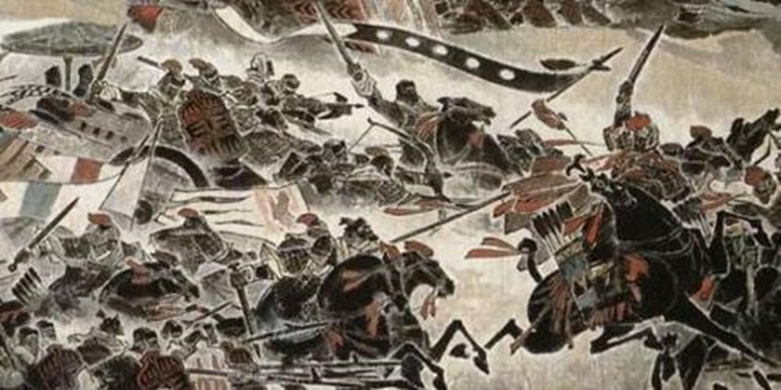
The background of the ballad revealed the war between the dynasty and Rouran Khaganate. Before establishing the Northern Wei Dynasty, both Sienpi and Rouran were nomads. Rouran built up in steppes outside the Great Wall, while Sienpi started migrating to China Proper(漢地)since the Three Kingdoms(三國)generation , which affected the war between Shu Han(蜀漢)and Cao Wei(曹魏). Sienpi was also one of the murderers of the Invasion and Rebellion of the Five Barbarians(五胡亂華)in the Western Jin Dynasty(西晉). Since the Northern Wei Dynasty had unified the northern China and became the Dynasty of Infiltration(滲透王朝), Sienpi infiltrated the mainland and cut off the connection with the steppes gradually. Finally, Sienpi gradually forgot her original nomadic customs, actively Sinicizing in politics and culture and transformed into an inland dynasty essentially. In the meantime, Rouran filled the power vacuum in steppes after Sienpi migrated southward to mainland. Sienpi started despising Rouran and described them scornfully as “Ruru”(蠕蠕), which means less intelligent wriggling worms. Therefore, it is not far to seek that Sienpi addressed Rouran as “Hu”(胡)in the ballad, which means barbarians.
The descriptions of the battlegrounds in the ballad were identical to the history. From Rouran’s invasion of the Northern Wei Dynasty in AD 424 to the dynasty’s counterattack in AD 429, the main battlefields mentioned in the ballad—“Black Mountain”(黑山) and “Swallow Mountain”(燕山)—were located in what is now southeastern Hohhot in Inner Mongolia and Khangai Mountain(杭愛山)in modern-day Mongolia, respectively. The war lasted for 10 years until Rouran paid tribute to the Northern Wei Dynasty in AD 434. The fierce war caused a drastic population decline, by the death of the families and border economic collapse, matching the descriptions of “Generals fought hundreds of battles and died” and “The grand soldier returned after ten years” in the ballad.
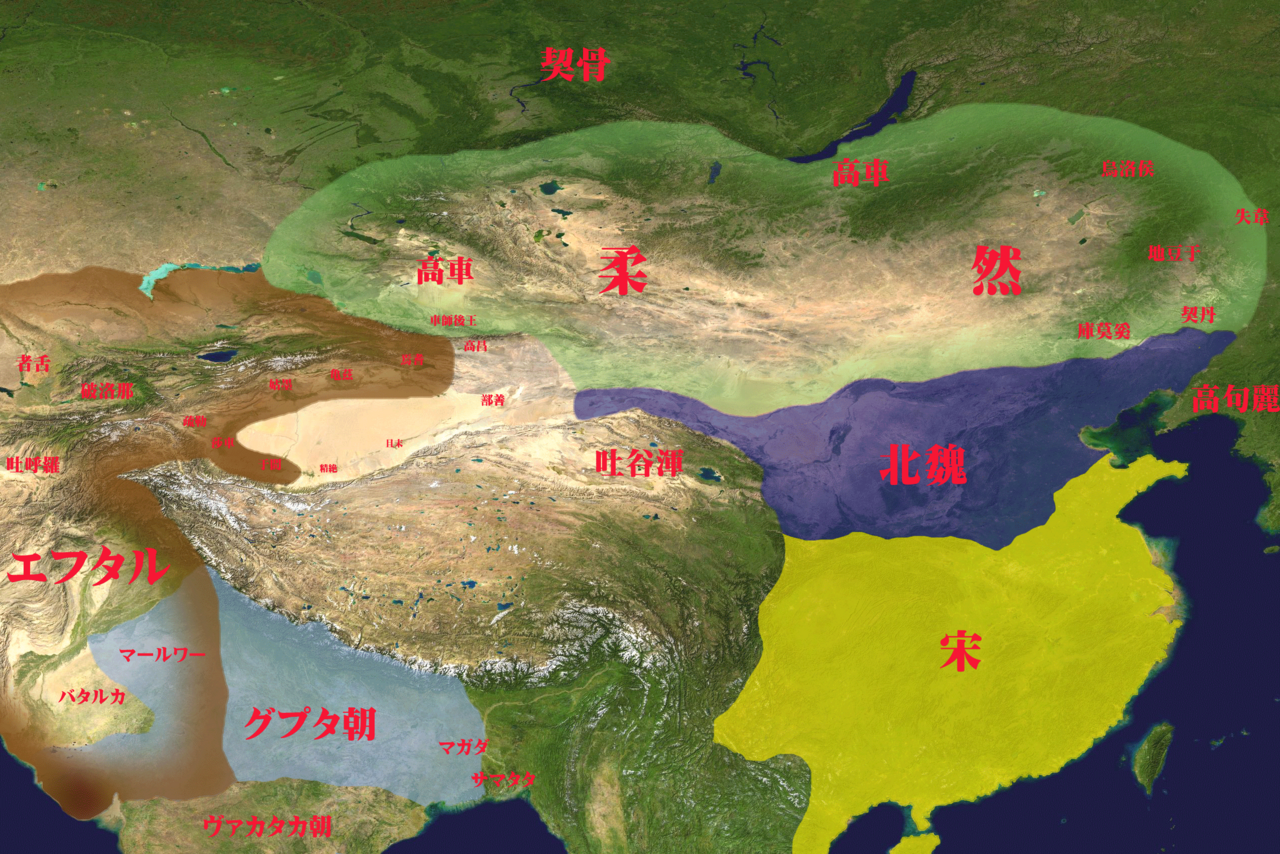
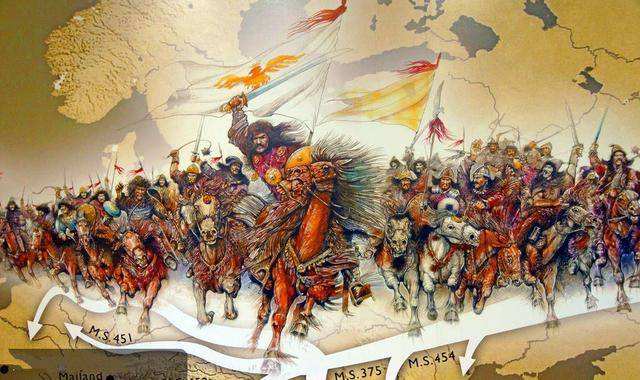
“The Ballad of Mulan” showed the spirit of the filial piety and unique Sienpi features. It highlighted the customs and the military system of the early Northern Wei Dynasty. After comparing it with the history, the war depictions proved the conflict between the Dynasty of Infiltration and another nomad. The collision not only influenced the Sienpi feature integration of Chinese culture(sinicization by Emperor Xiaowen of the Northern Wei Dynasty)(北魏孝文帝漢化), but also caused the evolution of Mongolian regimes (Turkic, Uyghur, Khitan, Mongolia), thus affecting the process of European history (Rouran established Avar Khanate(阿瓦爾汗國)and harassed Byzantine Empire(拜占庭帝國)after defeated by Turkic).