
Can you use leather bags in the rain?

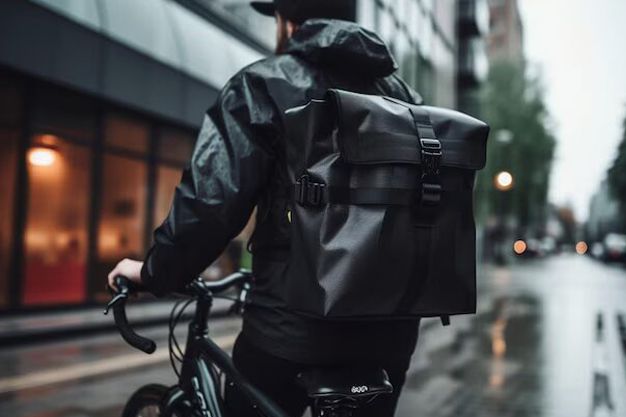
Introduction:
Picture this: you're strolling down the street, your favorite leather bag slung over your shoulder, feeling confident and stylish. Suddenly, the sky opens up, unleashing a torrent of rain. A wave of panic washes over you – will your beloved leather companion survive this unexpected downpour?
Leather bags – they're the epitome of timeless style and sophisticated practicality. But their undeniable charm comes with a caveat: they're not exactly known for being best friends with water. So, the question arises: can you even use leather bags in the rain? And if so, how do you ensure they stay looking their best despite the occasional drizzle?
This blog delves into the world of leather and rain, offering a comprehensive guide to keeping your prized possession safe from the elements. We'll explore the vulnerability of leather to moisture, the varying water resistance of different leather types, and most importantly, practical tips for preparing your bag for rain and caring for it afterwards.
Understanding Leather and Rain: A Delicate Dance with Moisture
Leather, a timeless material prized for its beauty and durability, requires a delicate dance with water. While it offers some natural resistance, excessive moisture can wreak havoc on your cherished leather bag. Let's delve into the science behind this relationship and how different types of leather fare in the face of rain.
The Delicate Dance with Water:
Leather is a naturally porous material, meaning it has tiny holes that allow air and, unfortunately, water to pass through. When exposed to water, leather absorbs moisture, causing it to swell and stiffen. If left unaddressed, this stiffness can progress to cracking, permanently damaging the bag's structure and aesthetics.
Furthermore, water can disrupt the natural oils within leather, leading to:
- Discoloration: Water can cause uneven absorption, resulting in blotchy patches and a loss of the leather's original rich color.
- Loss of Shape: The swelling and softening of the leather due to moisture can cause the bag to lose its original shape and structure.
- Mold and Mildew Growth: Damp leather creates a breeding ground for mold and mildew, leaving unsightly blemishes and a musty odor.
Types of Leather, Types of Rain:
Not all leather is created equal, and its response to rain varies depending on its type:
- Full-grain Leather: Considered the top dog, full-grain leather boasts the highest level of natural water resistance. Its tight grain structure offers some protection against light rain showers. However, prolonged exposure can still lead to damage, so preventive measures are crucial.
- Top-grain Leather: This leather type undergoes some processing, resulting in moderate water resistance. It can handle a light drizzle but might succumb to heavier downpours.
- Corrected-grain Leather: The least water-resistant of the bunch, corrected-grain leather goes through extensive processing, compromising its natural water-repellent properties. It's best to avoid using bags made from this leather in rainy weather.
The Power of Prevention: Tips for Rain Readiness
While complete rain protection might be a tall order, several steps can significantly improve your leather bag's chances of surviving a downpour:
- Pre-treatment is Key: Invest in a good quality water repellent spray specifically designed for leather. Apply it following the manufacturer's instructions to create an invisible barrier against moisture.
- Be Prepared with an Umbrella or Rain Cover: Always carry an umbrella or a dedicated rain cover for your bag, especially if you live in a rainy climate. This will provide an extra layer of protection against unexpected showers.
- Pack Light, Protect Your Bag: Avoid overloading your leather bag, especially during rainy weather. The additional weight can put extra stress on the leather when wet, increasing the risk of damage.
By following these preventative measures, you can equip your leather bag to handle the occasional rain shower with ease. But what happens when a downpour catches you off guard? Let's explore the best practices for caring for your bag after getting wet.
Rain Happens: Proper Care After Getting Wet
The pitter-patter of rain on your umbrella might sound like a lullaby, but for a beloved leather bag, it can be a cause for concern. Getting caught in a downpour happens, and while leather is naturally susceptible to moisture, there's no need to despair! With swift action and proper care, you can minimize damage and restore your leather bag to its former glory.
The Golden Rule: Act Fast!
Time is of the essence when your leather bag gets wet. The longer it stays saturated, the higher the risk of permanent damage like discoloration, cracking, or even mold growth. Here's what to do as soon as possible:
- Blot, Don't Rub: Grab a clean, absorbent cloth, preferably microfiber, and gently blot away excess water from the surface of the leather. Resist the urge to rub, as this can push the water deeper into the material and spread any stains.
- Empty the Bag and Turn it Inside Out (Optional): If the bag's interior got wet too, empty its contents and turn it inside out carefully. This allows for better airflow and faster drying.
Air Drying is Your Ally:
Now comes the crucial drying stage. Here's where patience is key:
- Find a Cool, Well-Ventilated Spot: Direct sunlight and artificial heat sources like radiators or hair dryers are absolute no-nos. Excessive heat can cause the leather to shrink, stiffen, and crack. Instead, choose a cool, well-ventilated area where air can circulate freely. Stuff the bag loosely with clean, dry towels or newspaper to absorb moisture from the inside. Change the stuffing material periodically as it gets damp.
Conditioning: Restoring Lost Moisture
Once your leather bag is completely dry (this can take 24-48 hours or longer, depending on the severity of the wetting), it's time to replenish the lost moisture. Leather naturally contains oils that contribute to its suppleness and durability. Rain can strip these oils away, leaving the leather feeling dry and brittle. Here's where a good quality leather conditioner comes in:
- Choose the Right Product: Opt for a leather conditioner specifically designed for the type of leather your bag is made from. Full-grain leather may require a different conditioner than corrected-grain. A quick online search or consulting a leather care specialist can help you make the right choice.
- Apply a Thin Coat: Apply a thin, even coat of conditioner to the entire surface of the leather using a clean, soft cloth. Buff gently to ensure even absorption. Avoid over-conditioning, which can leave the leather greasy.
Gearing Up for Downpours: Alternatives and Keeping Your Leather Safe
While leather offers timeless style and sophisticated functionality, sometimes the weather demands a more practical approach. Let's face it, a torrential downpour can pose a serious threat to your beloved leather bag. But fear not, there are ways to navigate even the heaviest rain showers with confidence.
Embrace Weatherproof Materials:
For days when the skies threaten a full-on deluge, consider having a dedicated bag crafted from weatherproof materials in your arsenal. Here are some popular options:
- Nylon: A lightweight and durable synthetic fabric, nylon offers excellent water resistance. It's a popular choice for backpacks and sporty bags that can withstand heavy rain and even splashes.
- Canvas: This sturdy, woven fabric comes in various weights and can be treated with water-repellent coatings. Canvas bags offer a classic aesthetic while providing a good level of protection from the elements.
- Waxed Canvas: A canvas treated with wax creates a water-resistant barrier, making it ideal for heavier rain. It develops a unique patina over time and adds a touch of rugged charm.
The Protective Power of Rain Covers:
Don't want to abandon your favorite leather bag during rainy season? A dedicated rain cover can be your saving grace. These covers, typically made from waterproof nylon or polyester, slip easily over your bag, forming a protective shield against rain and moisture. Look for covers designed specifically for your bag's size and shape for a snug fit.
The Final Verdict: Rain or Shine with Your Leather Bag
Leather bags are a timeless investment, but like any treasured possession, they require proper care. Here's what we've learned:
- Leather and rain can coexist, but with caution. While a light sprinkle might not cause major damage, be mindful of heavier downpours.
- Prevention is key. Pre-treat your leather bag with a water repellent for added protection.
- Quick action is crucial. If your bag gets wet, blot away excess water and allow it to air dry naturally away from heat sources.
- Conditioning is essential. After drying, replenish lost moisture with a leather conditioner.
- Embrace weatherproof alternatives. For heavy rain days, consider bags made from nylon, canvas, or waxed canvas.
- Invest in a rain cover. This provides an extra layer of protection for your favorite leather bag.

The Final Verdict: Navigating Rain with Your Leather Companion (400 words)
Leather bags are a symbol of timeless style and sophisticated practicality. But their undeniable charm comes with a caveat – they're not exactly best friends with water. So, the question remains: can you use leather bags in the rain? The answer, like most things in life, is nuanced.
Leather and Rain: A Delicate Dance
Leather is naturally susceptible to moisture. Rain exposure can lead to stiffness, cracking, discoloration, and even mold growth. However, that doesn't mean you have to banish your leather bag to the closet on rainy days. Here's the key takeaway: with a little preparation and proper care, your leather bag can weather (pun intended) an occasional sprinkle or light rain.
Prevention is the Best Medicine
The old adage holds true – an ounce of prevention is worth a pound of cure. Here's how to prepare your leather bag for the possibility of rain:
- Invest in a water repellent spray. Choose one specifically formulated for leather and apply it regularly according to the product's instructions.
- Carry a rain cover. This provides an extra layer of protection for your bag during unexpected downpours.
- Avoid overloading your bag. Excess weight can put extra stress on the leather, making it more susceptible to damage when wet.
Quick Action is Key
Even with precautions, you might get caught in a downpour. Don't panic! Here's how to minimize damage:
- Blot excess water immediately. Use a clean, absorbent cloth like microfiber to gently soak up as much moisture as possible. Resist the urge to rub, as this can spread water further into the leather.
- Allow for proper air drying. Find a cool, well-ventilated area away from direct sunlight or heat sources. Stuff the bag with clean towels or newspaper to absorb moisture from the inside. Change the stuffing material as it gets damp.
Conditioning: Restoring Lost Moisture
Once your bag is completely dry, it's crucial to replenish the lost moisture with a good quality leather conditioner specifically designed for the type of leather your bag is made from. This will help restore its suppleness and prevent cracks.
Embrace the Elements with Confidence
By following these tips, you can navigate rainy days with your leather bag by your side. Remember, leather and rain can coexist, but with a little extra TLC. Invest in preventative measures, act quickly if your bag gets wet, and prioritize proper care afterwards. With this knowledge, you can enjoy your leather companion rain or shine, ensuring it remains a timeless and elegant addition to your wardrobe for years to come.
FAQs: Unveiling the Secrets of Using Leather Bags in the Rain
Q: Is it okay to use a leather bag in the rain?
A: Leather can handle light rain with minimal risk, especially if treated with a water repellent spray beforehand. However, heavy downpours can cause damage like stiffness, cracking, or discoloration.
Q: What types of leather are more water-resistant?
A: Full-grain leather offers the best natural water resistance due to its tight grain structure. Top-grain leather is moderately resistant, while corrected-grain leather is the least water-resistant due to processing methods.
Q: How can I prepare my leather bag for rain?
A: Pre-treat your bag with a water repellent spray specifically formulated for leather. Consider carrying a rain cover for unexpected downpours and avoid overloading the bag to minimize stress on the leather.
Q: What should I do if my leather bag gets wet?
A: Act quickly! Blot excess water with a clean, absorbent cloth. Don't rub. Allow the bag to air dry naturally away from heat sources like radiators or sunlight. Once dry, use a leather conditioner to restore moisture and suppleness.
Q: Are there alternatives to leather bags for heavy rain?
A: Absolutely! Consider bags made from water-resistant materials like nylon, canvas, or waxed canvas for heavy rain days. You can also invest in a dedicated rain cover for your favorite leather bag.
Q: How can I ensure my leather bag lasts a long time?
A: Proper care is key! Regularly clean and condition your leather bag with appropriate products. Store it in a cool, dry place when not in use, and avoid overloading it. By following these tips, you can enjoy your leather companion for years to come.